









Equip the adults.
Protect the young.
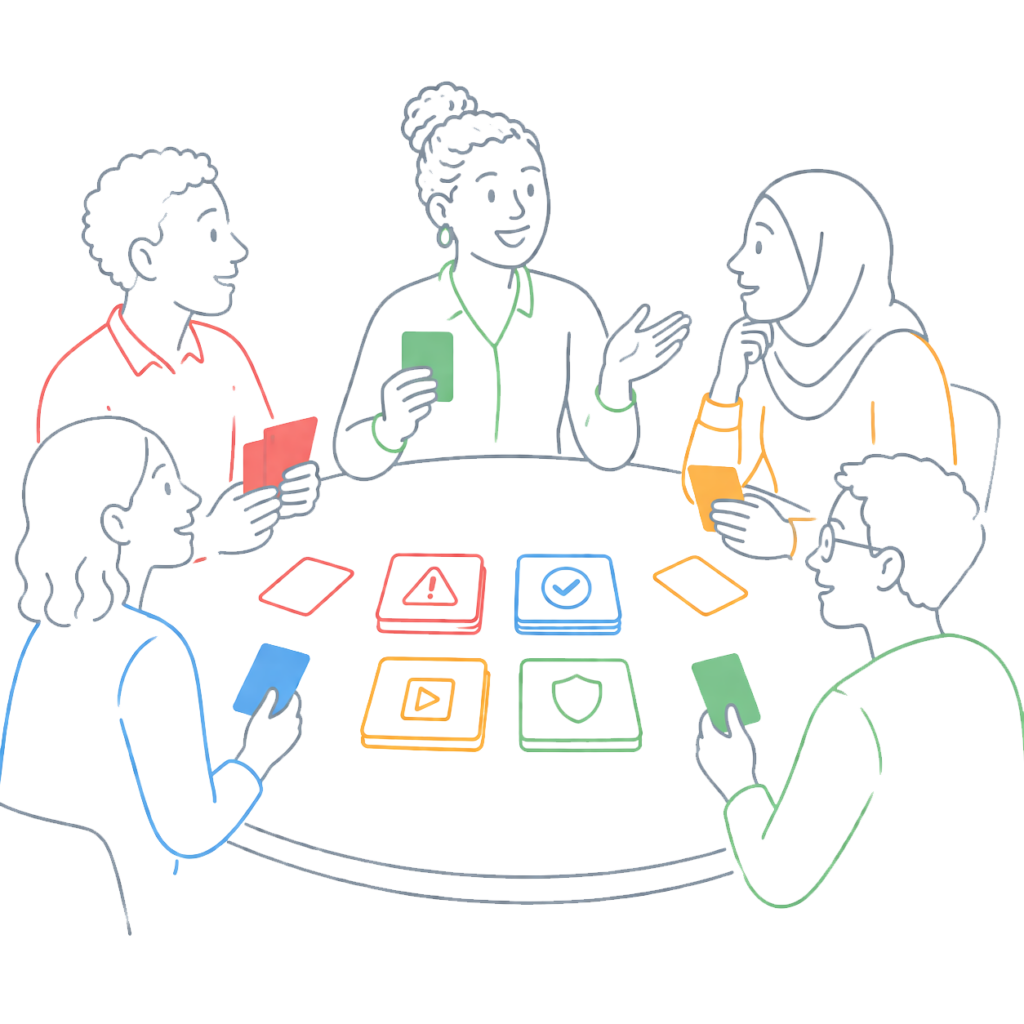
A 2-hour workshop for teachers, university staff, school administrators, residential life teams, and parents.

A note about who this is for.
The workshop is not designed for children or students. Young people need programmes adapted to their age and level of development.
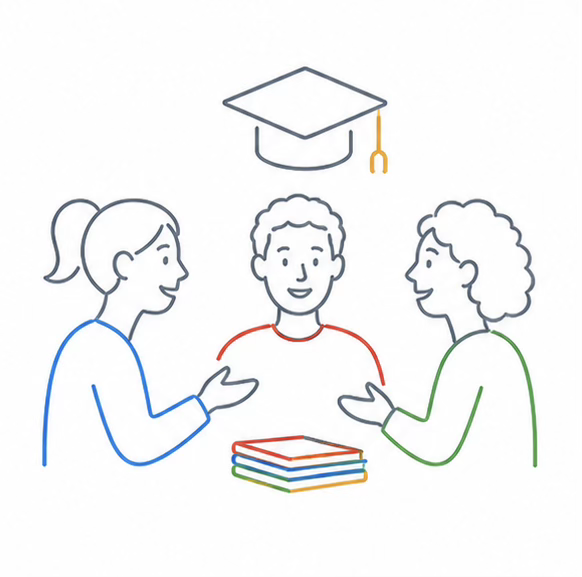
The workshop is designed for the adults around them: teachers, school leaders, parents, residential staff, and support professionals.
When adults share a common understanding of the issues, prevention becomes stronger and more consistent.
Adults at every level.
Teachers, staff, parents — the workshop adapts to any educational role.
15 languages available.
Useful for international schools and multilingual communities.
Evidence-based content.
Built on WHO and UNICEF recommendations, not on advocacy positions.

What it offers your institution.
A common foundation across your team
Teachers, counsellors, administrative staff, after-school supervisors — all touch on the same topic from different angles. The workshop creates a shared vocabulary and a shared set of reflexes across roles.
A useful framework for parent groups
Parents associations, residential committee meetings, parent-teacher conferences — these often want to address prevention but lack a structured format. Our workshop provides one, ready to use.
A complement to existing curricula
The workshop does not replace age-appropriate education for pupils. It strengthens the adult layer that supports that education and catches what slips through.
A reproducible model
Train one of your staff to run the workshop annually, with new groups of staff, parents, or community volunteers. The cost of subsequent sessions drops to almost zero.

What participants say
Free resources to evaluate the workshop.

The full card deck is available for free download. Review the content before commissioning a session.
Browse the free card decks →
Hosting an actual workshop requires the full method — script, pedagogical guidance, facilitator notes — which is available in the book. Get the book →
Bring the workshop to your school or university.
You can run a workshop yourself
The full method is in the book. Read it, gather a few people, and host your first workshop in your city, your company, or your school.
Become a regional representative
Lead the project in your country or region. Build the local community.