










You don’t need a diploma.
You need the method and a few people.
The workshop only exists because people choose to host it. The book gives you everything you need.

Why this matters.
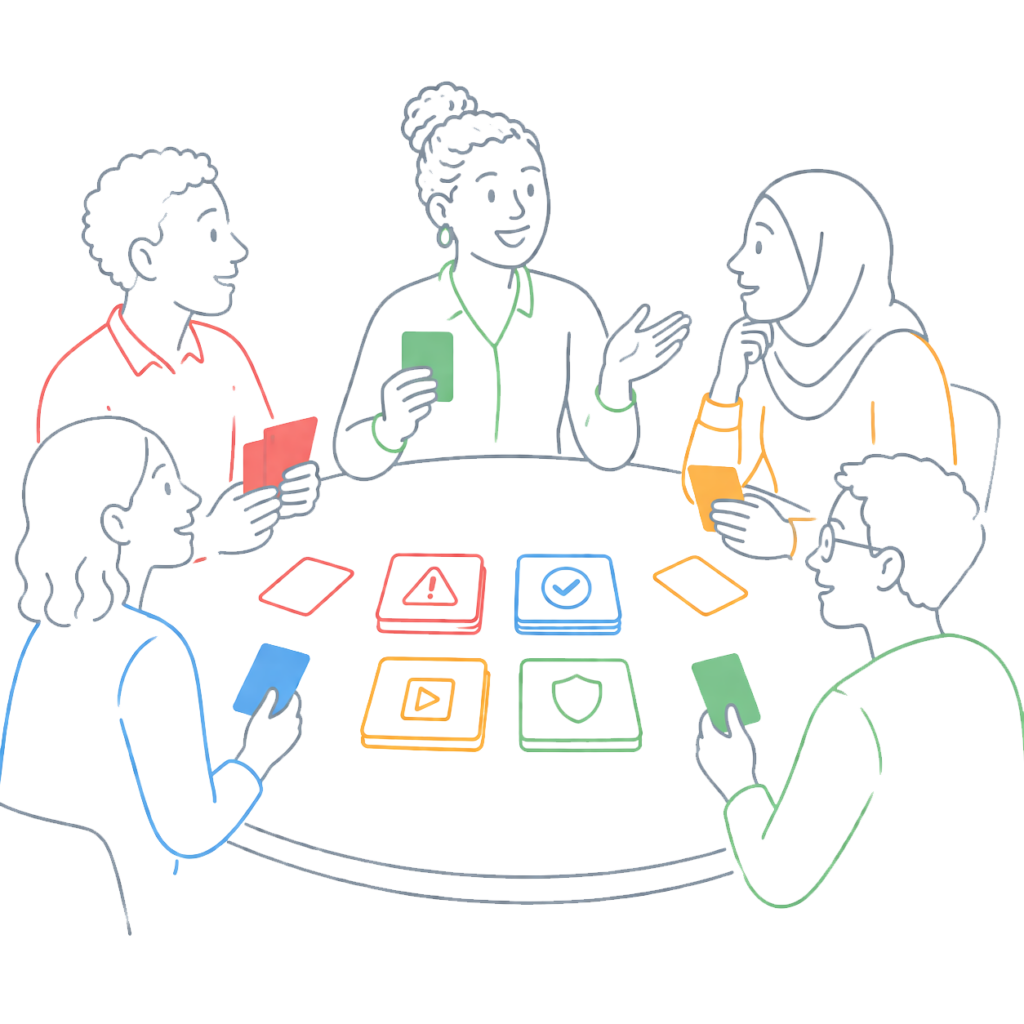
The SVPW is designed to be reproduced. Every workshop, in every language, in every city, depends on someone deciding to gather a group and walk it through the cards. There is no central licensing body, no mandatory training, no exclusivity.
The project’s strength is that the bottleneck is not expertise — it is willingness. If you have:
- The book (which contains the complete method)
- A small group of adults (ideally fewer than 15)
- Two hours
- A willingness to listen more than to lecture
…you can run a workshop.

What the book gives you.
The book is not a “summary” of the workshop — it is the workshop, documented in full:
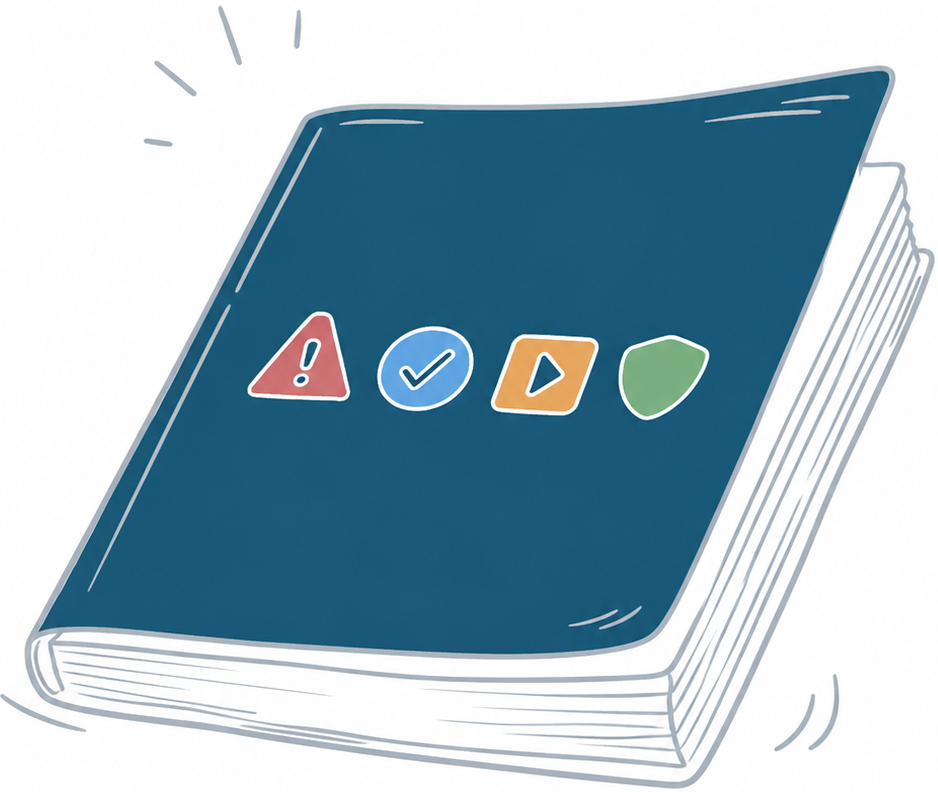
The book is not a “summary” of the workshop — it is the workshop, documented in full:
- The complete script, step by step, with timings for each of the seven phases
- The facilitator’s posture: how to introduce the session, manage disclosures, defuse confusions, redirect when needed
- Notes on each card: the evidence behind it, the common misreadings, the conversations it tends to provoke
- Vocabulary guidance — what words to use, what registers to avoid
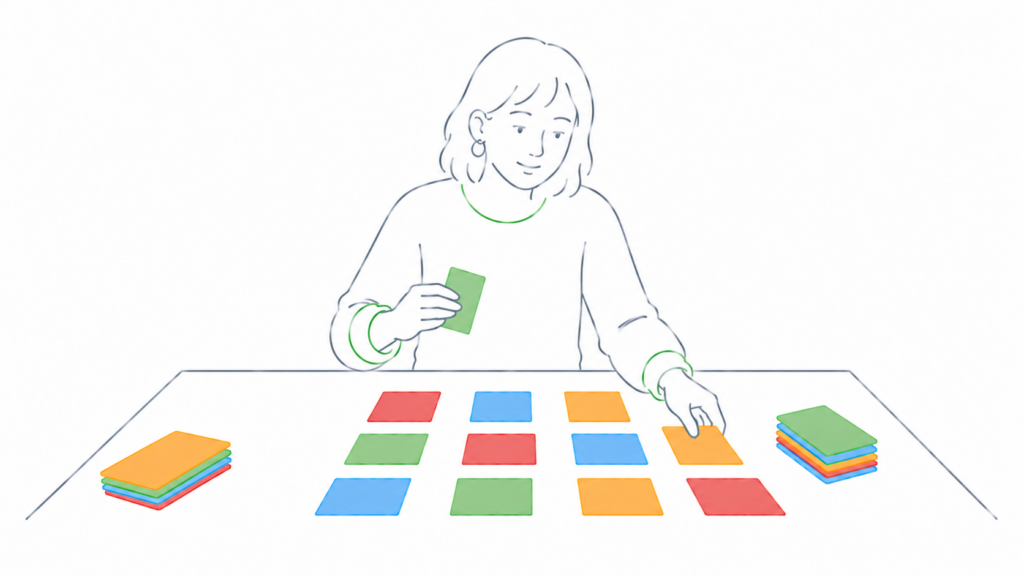
- The cards themselves, printable from the book or downloadable for free from this site
The book is available in 15 languages in paper edition (via Amazon), in PDF, and in ePub.

Who can facilitate.
You don’t need to be:
- A psychologist, clinician, or therapist
- A trained educator
- A specialist in sexual violence
- A particularly extroverted person
You do need to be:
- An adult
- Comfortable saying “I don’t know — let’s think about it together”
- Able to follow a structured method rather than improvise
- Willing to listen attentively, without rushing or judging
- Aware of the local resources you can redirect someone to, if needed (see our Safety & Support page)
If you’re unsure whether you’re ready, the most useful first step is to attend a workshop yourself, as a participant. Many of our most active facilitators started exactly there.

How a first workshop typically unfolds.
- You read the book — about 2-3 hours, with notes
- You gather a small group — friends, colleagues, a community circle, fewer than 15 people
- You book a quiet room — a living room, a meeting room, a community centre
- You run the workshop — 2 hours, following the script
- You debrief, with yourself and ideally with the group, about what worked and what surprised you
After the first one, the second is even easier.

What facilitators say.

Going further than the book.
If you want more than the book — structured guidance, peer feedback, or simply a more confident start — two complementary training options are available:
Live training over videoconference
Small-group sessions led by experienced facilitators, scheduled regularly across time zones and available worldwide. Cohorts are typically small enough for everyone to ask questions and receive direct feedback on their facilitation style. Useful if you want to learn alongside other future facilitators and try out scenarios in real time.
Self-paced online modules
Short text and video modules available on the site, designed to be followed at your own pace. Covers the workshop’s seven phases, the facilitator’s posture, the management of sensitive moments, and the most common questions new facilitators ask. Useful if you can’t commit to a fixed schedule, or if you prefer learning quietly on your own.
The book remains the foundation in either case — the trainings build on it rather than replace it.
Free resources.

The full card deck is available for free download in 15 languages. Practise with the cards before you commit to the book.
Ready to host your first workshop?
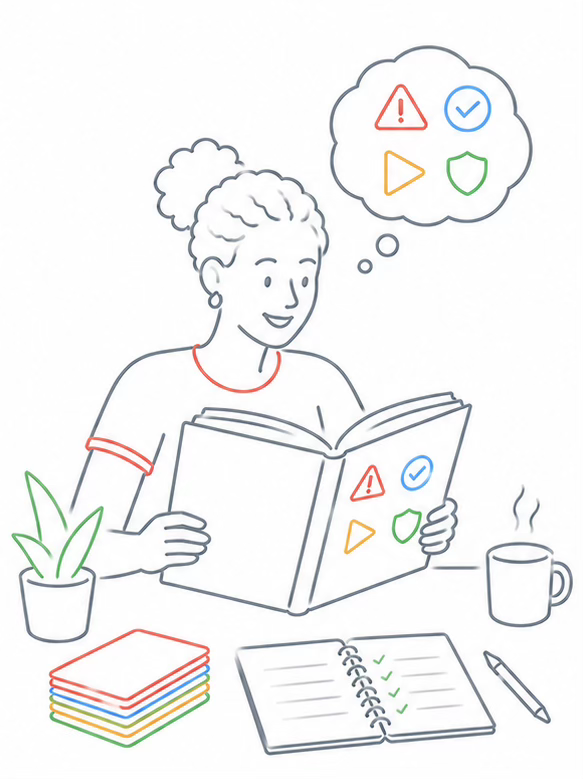
You can run a workshop yourself
The full method is in the book. Read it, gather a few people, and host your first workshop in your city, your company, or your school.
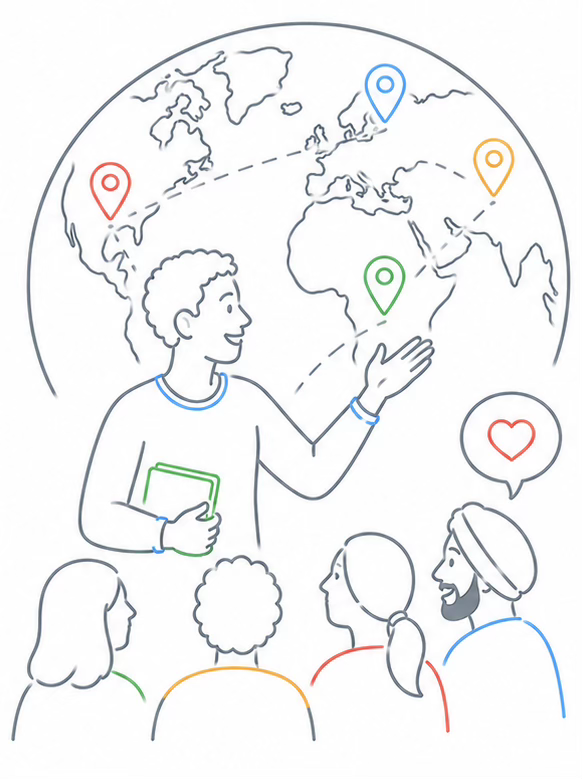
Become a regional representative
Lead the project in your country or region. Build the local community.